

The Pros and Cons of Using Outdoor Pendant Lights Indoors
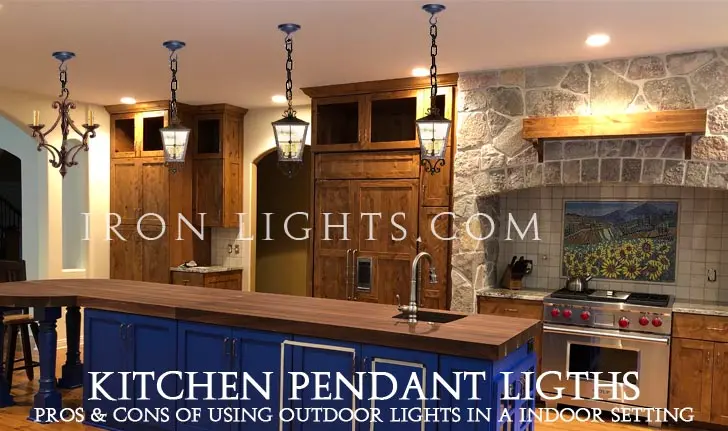
Outdoor pendant lights are designed to withstand the elements, featuring enclosed tops and bottoms to protect the internal components from dust, moisture, and insects. While this durability makes them ideal for patios and entryways, many homeowners and designers are now incorporating them into interior spaces such as kitchen islands, hallways, and entryways. But is this a good idea? Let’s explore the advantages and drawbacks of using outdoor pendants in indoor settings.
Pros of Using Outdoor Pendant Lights For Indoors
1. Low Maintenance and Easy Cleaning
One of the biggest advantages of outdoor pendant lights indoors is their enclosed design. Unlike traditional indoor pendants with open tops or bottoms that collect dust and debris, outdoor pendants require less frequent cleaning. Their sealed structure prevents dust buildup, reducing the hassle of regular maintenance.
2. Insect and Debris Prevention
Insects and small debris can sometimes get trapped inside traditional indoor pendant lights, especially those with open shades. Because outdoor pendants are designed to be fully enclosed, they keep bugs and dust out, ensuring a cleaner and more polished look over time.
3. Durability and Longevity
Outdoor lighting is built to handle tough weather conditions, making it highly durable even in indoor environments. These fixtures are often made with weather-resistant materials like powder-coated metal, stainless steel, or reinforced glass, meaning they can withstand years of use without showing signs of wear and tear.
4. Unique Aesthetic Appeal
Outdoor pendant lights often have a rugged, industrial, or rustic design that can add character to indoor spaces. Whether used in a modern farmhouse-style kitchen or an industrial loft, these fixtures bring a bold and stylish element that sets them apart from typical indoor lighting options.
5. Versatility in Placement
While commonly used outdoors, these lights work well in various indoor locations, such as:
- Kitchen Islands: Adding a robust, statement-making look above countertops.
- Hallways: Providing a unique and sturdy lighting solution for high-traffic areas.
- Entryways: Making a strong first impression with a striking fixture.
Cons of Using Outdoor Pendant Lights For Indoors
1. Bulky and Heavy Design
Because outdoor pendants are designed to be enclosed and weatherproof, they tend to be bulkier than their indoor counterparts. This can create challenges when trying to incorporate them into smaller or more delicate interior spaces.
2. Limited Light Projection
Many outdoor pendant designs focus on durability rather than maximizing illumination. Their enclosed structure can restrict light output, resulting in a more focused or dimmer glow than traditional indoor pendants. This might not be ideal for areas requiring bright, evenly distributed lighting, such as kitchen prep spaces.
3. Less Variety in Styles and Sizes
Outdoor pendants typically have fewer design variations compared to indoor lighting. While there are some stylish options, the selection may be more limited in terms of color, materials, and decorative elements. Additionally, even the smaller models can appear bulkier due to their protective enclosures.
4. Potentially Higher Costs
Because outdoor-rated fixtures are built with heavy-duty materials and weatherproofing, they may be more expensive than similar indoor pendant lights. If budget is a concern, choosing standard indoor pendants may be a more cost-effective option.
Should You Use Outdoor Pendants Indoors?
If you love the rugged durability and unique aesthetic of outdoor pendant lights, they can be a great choice for indoor spaces—especially in kitchens, entryways, and hallways. However, consider factors like size, weight, and light projection to ensure they complement your space rather than overpower it.
For those seeking a balance between durability and design, look for outdoor-style pendants with more refined finishes or opt for hybrid fixtures rated for both indoor and outdoor use. By carefully selecting the right fixture, you can enjoy the benefits of outdoor lighting while maintaining the ambiance and functionality of your indoor space.
Indoor Pendant Lights
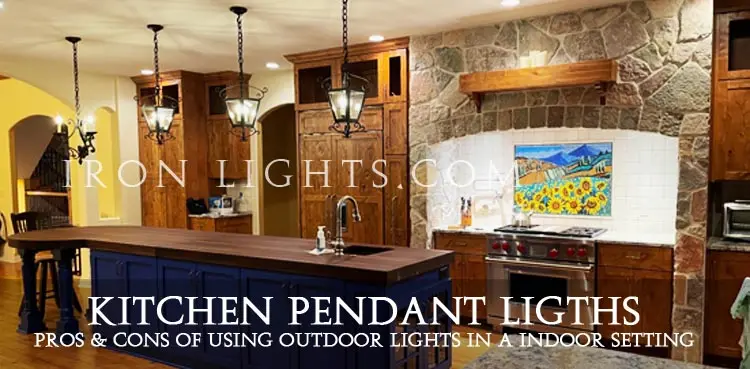
As you can see, these indoor pendant lights cast more illumination upward because of their open top and bottom construction. The upward glow creates a distinctive visual effect that enhances the pendant’s design. Although the fixture silhouette resembles outdoor pendants, these models appear more refined and less heavy. If you have very high ceilings and want to introduce an outdoor-inspired look indoors, a hybrid outdoor pendant light is a smart option. These fixtures typically feature a glass top with an open bottom, allowing light to disperse effectively while maintaining strong illumination without an overly bulky appearance.
Conclusion
When curating a high-end interior, lighting is never an afterthought — it is a defining design statement. The decision to incorporate outdoor pendant fixtures into refined indoor environments requires a discerning eye and a clear understanding of both function and form.
For luxury residential and commercial projects, the most sophisticated approach lies in selecting indoor pendant lights that marry the rugged durability of outdoor construction with the elegance demanded by upscale interiors. Whether you are specifying kitchen island pendant lights to anchor a chef’s kitchen or sourcing bathroom pendant lights to elevate a spa-inspired retreat, the fixture must perform as beautifully as it looks.
Today’s market offers extraordinary options for the design-conscious professional. Modern pendant lights with clean silhouettes and premium finishes can seamlessly bridge the gap between indoor refinement and outdoor resilience. Luxury pendant lights crafted from materials such as hand-blown glass, hand-forged wrought iron, or solid wood pendant lights with natural grain detailing introduce warmth, texture, and an unmistakable sense of craftsmanship. For spaces where ambiance is paramount, decorative pendant lights featuring sculptural forms serve as functional art installations that command attention.
From a technical standpoint, Hand-made pendant lights with LED light bulbs are the premier choice for high-end projects, delivering superior energy efficiency, longevity, and precise color rendering that flatters both architectural finishes and the people inhabiting the space. Paired with adjustable height pendant lights, designers gain the flexibility to fine-tune visual proportion across varying ceiling heights — a critical consideration in grand open-plan spaces or bespoke kitchen island pendant lighting arrangements where scale and symmetry must be perfectly calibrated.
Ultimately, the most successful interiors are those where every hanging pendant light tells a cohesive story. By thoughtfully evaluating durability, light quality, material integrity, and aesthetic intention, the discerning designer can confidently select fixtures that transcend trends — delivering spaces that are as enduring as they are extraordinary.


